10 Affordable Furnace Repair Solutions to Stay Warm This Winter in Collinsville, OK

Air Soutions Company Van

10 Affordable Furnace Repair Solutions to Stay Warm This Winter in Collinsville, OK

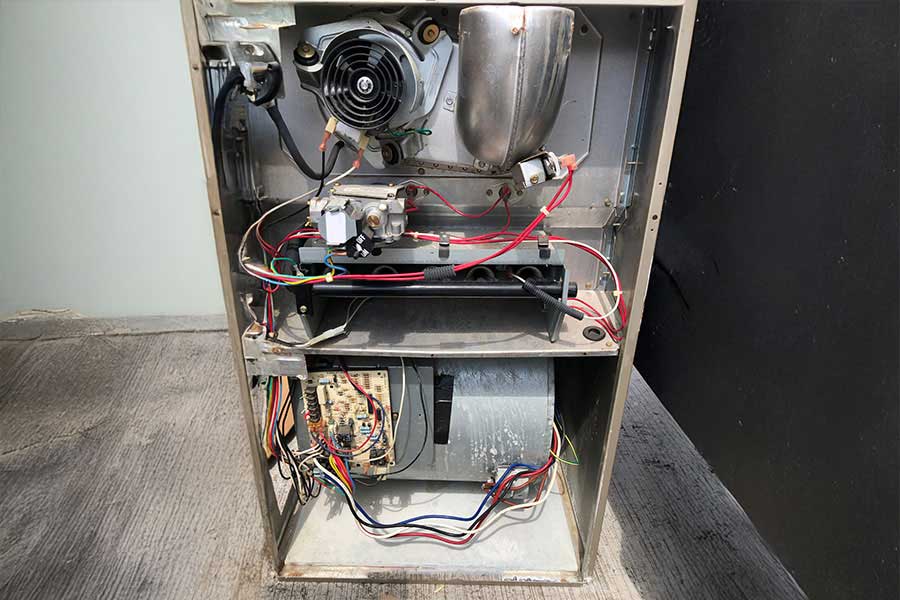
Green air solutions service van
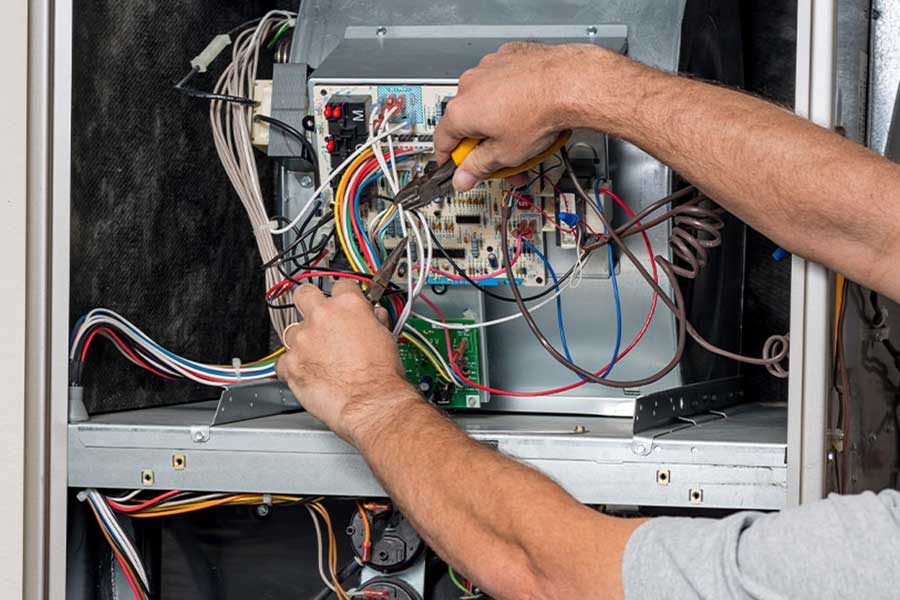
Furnace repair in progress

As winter approaches in Collinsville, OK, ensuring your furnace runs efficiently is essential for staying warm without breaking the bank. You might not realize how simple actions can make a significant difference. From checking your thermostat settings to sealing ductwork leaks, there are several affordable solutions to keep your home cozy. Let’s explore these practical steps that can enhance your furnace’s performance and save you money this season.

Inspect and Replace Air Filters Regularly

When you regularly inspect and replace your air filters, not only do you enhance the efficiency of your furnace, but you also improve the air quality in your home.

Clogged filters can restrict airflow, forcing your furnace to work harder and leading to higher energy bills. You can catch dirt and dust buildup early by checking your filters every month. If you notice they’re dirty, just swap them out for clean ones.

This simple action can extend your furnace’s lifespan and keep it running smoothly. You’ll also breathe easier, as clean filters trap allergens and pollutants, promoting better health for you and your family. Additionally, regular maintenance helps maintain efficient and dependable AC systems, ensuring your furnace operates optimally during the winter months.

Check the Thermostat Settings

After verifying your air filters are clean, it’s time to check your thermostat settings.

A properly set thermostat can greatly impact your furnace’s efficiency and your comfort at home. Here are three things to verify:

  1. Temperature Setting: Make sure your thermostat is set to a comfortable temperature, typically between 68°F and 72°F for winter.
  2. Mode Selection: Confirm that your thermostat is in the “heat” mode, especially if it has options for cooling.
  3. Schedule Settings: If your thermostat has a programmable feature, check that your schedule aligns with your daily routine.

Taking these steps can help guarantee your furnace runs efficiently, keeping your home warm throughout the winter months. Additionally, remember that timely repairs can prevent higher energy bills and ensure your heating system operates effectively.

If you find any discrepancies in your settings, adjust them accordingly to maximize your comfort and efficiency.

Clean the Furnace Blower

Cleaning the furnace blower is an essential step in maintaining your heating system’s efficiency. Over time, dust and debris can accumulate, hindering airflow and forcing your furnace to work harder.

To clean the blower, first, turn off the power to your furnace for safety. Next, remove the blower access panel and gently detach the blower assembly. Carefully clean the blades and surrounding areas using a soft brush or vacuum. Be sure to check for any obstructions that may be blocking airflow.

Reassemble the blower and replace the access panel before restoring power. Regularly cleaning your furnace blower not only helps guarantee efficient operation but also prolongs the lifespan of your heating system. Aim to do this at least once a year, ideally before the winter season kicks in. Additionally, professional maintenance can further enhance the performance and efficiency of your heating system.

Seal Leaks in Ductwork

Sealing leaks in your ductwork is essential for maintaining your home’s heating efficiency and comfort.

When air escapes through leaks, your furnace has to work harder, increasing energy bills and reducing warmth.

Here’s how you can effectively seal those leaks:

  1. Inspect: Regularly check your ductwork for visible gaps or holes. Use a flashlight to spot any trouble areas.
  2. Seal: Use duct mastic or metal tape to seal small leaks. For larger gaps, consider using foam insulation or duct sealing products for a more permanent fix.
  3. Test: After sealing, turn on your furnace and check for airflow changes. You can also use a smoke pencil to see if air is escaping. Proper ductwork significantly boosts HVAC system efficiency.

Ensure Proper Ventilation

To keep your furnace running efficiently, you need to guarantee proper ventilation.

Check for any blockages in the vents that could restrict airflow and make sure fresh air can enter your system.

Importance of Airflow

Proper airflow is essential for maintaining a comfortable and healthy indoor environment.

When your furnace operates efficiently, it circulates warm air throughout your home, ensuring every room stays cozy.

Here are three reasons why good airflow matters:

  1. Temperature Consistency: Balanced airflow helps maintain an even temperature, preventing cold spots in your home.
  2. Air Quality: Proper ventilation reduces dust and allergens, contributing to a healthier living space.
  3. Energy Efficiency: When airflow is ideal, your furnace doesn’t have to work as hard, saving you money on energy bills.

Check Vent Blockages

Good airflow is essential for comfort and efficiency, but blocked vents can disrupt this balance. You should regularly check your vents for any obstructions, like dust, furniture, or debris.

These blockages can hinder your furnace’s performance, causing it to work harder and less efficiently. When airflow is restricted, your home may not heat evenly, leaving cold spots and increasing your energy bills.

To guarantee peak performance, inspect each vent and remove anything that might be blocking airflow. If you notice significant buildup or persistent issues, consider calling a professional to help.

Keeping your vents clear not only enhances your comfort but also extends the lifespan of your heating system, making it a simple yet effective maintenance step.

Ensure Fresh Air Intake

Guaranteeing fresh air intake is essential for your furnace’s efficiency and your home’s overall air quality.

When your furnace pulls in clean air, it operates better and keeps your space comfortable.

Here are three tips to guarantee proper ventilation:

  1. Inspect Air Vents: Regularly check that supply and return vents are clear of obstructions like furniture or curtains.
  2. Change Filters: Replace your air filters every 1-3 months to maintain airflow and improve air quality.
  3. Check Exhaust: Make sure the furnace exhaust isn’t blocked by debris, guaranteeing proper air circulation.

Lubricate Moving Parts

When you lubricate your furnace’s moving parts, you maintain efficiency and prolong its lifespan.

Over time, parts like the blower motor and fan can become dry, leading to increased friction, wear, and even breakdowns. By regularly applying the right lubricant, you make sure these components operate smoothly, reducing the risk of costly repairs.

Start by turning off the power to your furnace to guarantee safety.

Then, locate the moving parts that need attention—typically, these include the blower motor and any other accessible bearings. Use a high-quality lubricant designed for HVAC systems, applying it sparingly to avoid attracting dust and dirt.

This simple maintenance step can enhance your furnace’s performance, keep it running quietly, and save you money in the long run.

Test Safety Features

Testing safety features in your furnace is vital for maintaining a secure home environment. Regular checks guarantee that your heating system operates safely and efficiently.

Here’s what you should focus on:

  1. Flame Sensor: Make certain the flame sensor is clean and functional. A faulty sensor can prevent your furnace from igniting, causing safety hazards.
  2. Limit Switch: Test the limit switch to verify it shuts off the furnace if it overheats. This prevents potential fires and damage to your system.
  3. Ventilation: Check the exhaust and intake vents for blockages. Proper ventilation is essential to avoid deadly carbon monoxide buildup.

Consider a Furnace Tune-Up

A furnace tune-up is a smart investment that can save you money in the long run and keep your home comfortable.

Regular maintenance helps guarantee your system runs efficiently, reducing energy bills and extending the life of your furnace. During a tune-up, a professional will inspect and clean key components, checking for any potential issues before they escalate into costly repairs.

You’ll also benefit from improved indoor air quality, as a clean furnace circulates air more effectively and reduces allergens.

Plus, a well-maintained furnace is less likely to break down during the coldest months, giving you peace of mind knowing your home will stay warm.

Use a Programmable Thermostat

Using a programmable thermostat can greatly enhance your home’s energy efficiency and comfort.

By automatically adjusting temperatures based on your schedule, you can save money while staying cozy. Here’s how it works:

  1. Set Your Schedule: Program your thermostat to lower the temperature when you’re away or asleep, and raise it just before you return home or wake up.
  2. Optimize Energy Use: With smart features, many models can learn your habits and adjust accordingly, ensuring you only use energy when needed.
  3. Remote Access: Control your thermostat from your smartphone, so you can make adjustments even when you’re not home.

Investing in a programmable thermostat not only keeps you warm but also helps reduce your heating bills.

With this simple upgrade, you can enjoy a more efficient heating system all winter long!

Seek Professional Help When Needed

When you encounter complex furnace issues, it’s essential to seek professional help.

Safety should always come first, and trained technicians can identify problems you might miss.

Plus, they can offer cost-effective solutions that save you money in the long run.

Assessing Complex Issues

While it might be tempting to tackle complex furnace issues on your own, seeking professional help is often the best course of action.

Here’s why you should consider calling in the experts:

  1. Expertise: Professionals can quickly diagnose problems that may not be obvious to you, ensuring a more accurate solution.
  2. Safety: Complex repairs can involve risks, and trained technicians know how to handle them without jeopardizing your home or family.
  3. Long-term Solutions: A qualified technician can provide not just a fix but also preventive maintenance tips to keep your furnace running smoothly in the future.

When in doubt, don’t hesitate to reach out for professional assistance.

It’ll save you time, money, and trouble in the long run.

Safety Concerns First

Safety should always be your top priority, especially when it comes to furnace repairs.

If you notice strange noises, unusual smells, or inconsistent heating, don’t hesitate to call a professional.

Attempting DIY repairs can lead to serious hazards like gas leaks or electrical issues.

A trained technician can diagnose the problem safely and effectively, ensuring your home remains warm and secure.

Cost-Effective Solutions Available

Ignoring warning signs from your furnace can lead to costly repairs and safety risks. If you notice unusual noises or inconsistent heating, it’s time to seek professional help.

Here are three cost-effective solutions you can consider:

  1. Regular Maintenance: Schedule annual inspections to catch issues early and extend your furnace’s lifespan.
  2. DIY Checks: Change your air filters regularly and keep vents clear to improve efficiency.
  3. Professional Repair Services: Trust licensed technicians like Air Solutions for honest assessments and transparent pricing.

Taking these steps can save you money and keep your home warm and safe this winter.

Don’t wait until it’s too late—address those warning signs now for a cozy season ahead!

Conclusion

Don’t let your furnace be the weak link as winter’s chill creeps in. Imagine curling up by a warm fire, knowing you’ve taken all the right steps to guarantee your home stays cozy. By following these affordable solutions, you’ll enhance your comfort and safeguard against unexpected breakdowns. So, take action now; your warm, inviting sanctuary awaits just around the corner. Will you seize the moment before the frost bites?

Table of Contents