
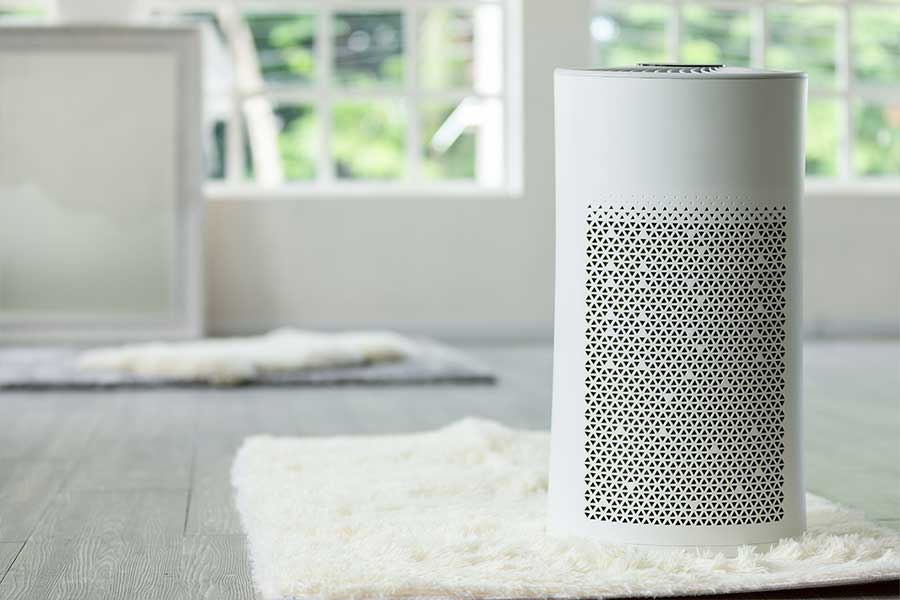
When most Tulsa homeowners think about air quality, the conversation tends to focus on what is happening outside — seasonal pollen counts, wildfire smoke drifting in from the west, or the haze that settles over the Arkansas River valley during high-humidity stretches in summer. What receives far less attention is the air quality inside the home itself, which EPA research consistently shows can be two to five times more polluted than outdoor air.
For a city like Tulsa, where homes are sealed tightly for both the long cooling season and the cold months that follow, indoor air quality deserves serious consideration. Tightly constructed homes trap contaminants that would otherwise dissipate — dust, allergens, volatile organic compounds, mold spores, and combustion byproducts among them. Without proper ventilation and filtration, these pollutants accumulate and affect the health and comfort of everyone in the space.
For Tulsa residents exploring their options, air conditioning services in Tulsa, OK, that include indoor air quality evaluation provide a comprehensive picture of how the HVAC system is affecting the air throughout the home.
Here are five meaningful benefits of professional indoor air quality testing for Tulsa homeowners.
1. Identifying Hidden Pollutants That Affect Health
The most immediate benefit of indoor air quality testing is knowing what is actually in the air your household breathes every day. Many common indoor pollutants are invisible, odorless, and produce symptoms easily misattributed to seasonal allergies, a persistent cold, or general fatigue.
Professional testing can detect particulate matter such as dust, pet dander, and pollen; mold spores thriving in humid environments; volatile organic compounds off-gassing from building materials and cleaning products; carbon monoxide from gas appliances; radon entering through foundation cracks; and biological contaminants circulating through shared air systems.
In our service calls throughout Tulsa — from midtown neighborhoods near Utica Square to homes along the south Tulsa corridor on Memorial Drive — respiratory complaints that persist year-round are often traceable to indoor air quality issues rather than outdoor triggers. Testing removes the guesswork and allows for a targeted response.
2. Understanding How Your HVAC System Affects Air Quality
The heating and cooling system in a Tulsa home is the primary vehicle through which air is circulated, filtered, and distributed. The condition of the ductwork, air handler, coils, and filtration directly determines what ends up in the air residents breathe.
A dirty or leaking duct system introduces contaminants from attic spaces and crawlspaces into the living area. A coil that has developed mold circulates biological contaminants with every cycle. An undersized or clogged filter allows particulate matter to accumulate throughout the home.
Indoor air quality testing provides data that, when reviewed alongside a professional HVAC inspection, connects specific pollutants to their likely sources. Working in homes across Tulsa, our technicians consistently find that air quality issues and HVAC performance issues are closely related. Testing makes that relationship visible and actionable.
3. Creating a Baseline for Ongoing Management
A single indoor air quality test provides a snapshot of current conditions — and establishes a baseline against which future measurements can be compared. This makes it possible to track whether air quality is improving, holding steady, or declining over time.
This is particularly relevant for Tulsa homeowners who have recently completed renovations or moved into a previously owned home. New flooring, cabinetry, paint, and insulation all introduce VOCs that off-gas over weeks and months. Testing before and after a renovation quantifies the impact and helps determine when conditions have returned to acceptable levels.
For families with members who have asthma or known sensitivities, a tested baseline transforms indoor air quality from an abstract concern into a measurable, manageable aspect of home maintenance — one that is increasingly valued by Tulsa homeowners in older neighborhoods where renovation activity is common.
4. Informing Targeted Solutions Rather Than Guesswork
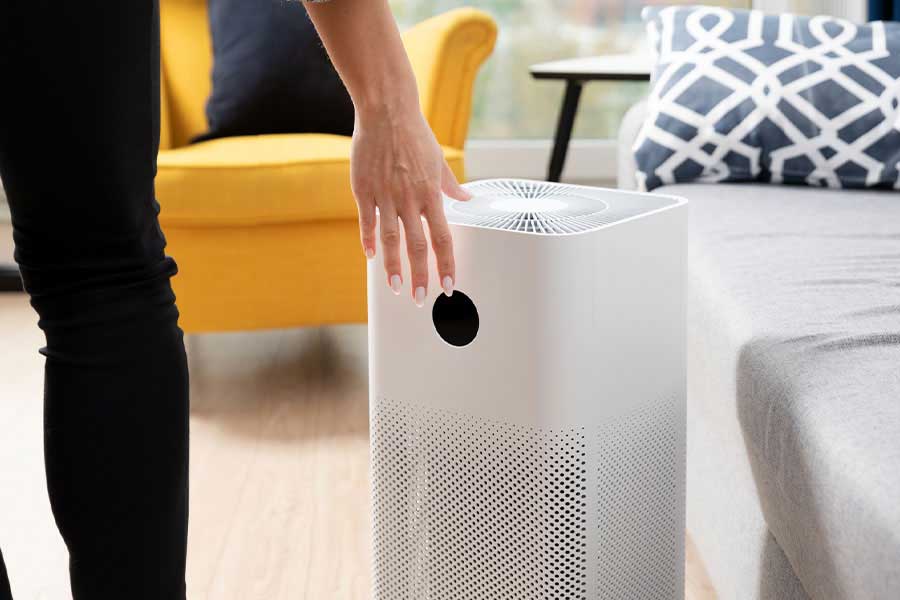
Without testing, addressing indoor air quality concerns means guessing about what products or improvements will help. Homeowners may invest in air purifiers or filtration upgrades that address the wrong problem entirely.
Professional testing eliminates that uncertainty. Elevated particulate levels may point toward upgraded filtration or air duct cleaning to remove accumulated debris. Elevated humidity and mold spores shift the focus to moisture control and remediation. Elevated VOC levels direct the investigation toward source identification and ventilation improvements.
Each response is meaningfully different, and applying the wrong solution wastes money without improving conditions. Testing also avoids the opposite error — investing in remediation for problems that do not actually exist. When air quality is confirmed within acceptable ranges, the diagnostic process can focus elsewhere.
5. Supporting Long-Term Health and Home Value
The benefits of improved indoor air quality extend beyond the immediate comfort of current residents. Persistent exposure to elevated indoor pollutants is associated with respiratory irritation, aggravated asthma, and more serious long-term risks from contaminants like radon and certain VOCs. For households with children, elderly residents, or individuals with compromised immune systems, the stakes are higher than for a healthy adult population.
From a home value perspective, documentation of air quality testing and remediation is becoming more relevant in real estate transactions as buyer awareness of indoor environmental health increases. Keeping the air handler clean and functioning properly is central to that effort — a well-maintained HVAC system supports indoor air quality rather than undermining it.
Protecting Indoor Air Quality in Tulsa, OK
Indoor air quality is not a concern reserved for homes with visible mold or obvious contamination. In Tulsa’s climate — with its long periods of sealed indoor living, high seasonal humidity, and active pollen season — virtually every home can benefit from knowing what is in its air.
Professional testing identifies what is present, connects pollutants to their sources, informs targeted solutions, and creates a baseline for ongoing management. For families spending the majority of their time indoors during Tulsa’s hottest and coldest months, that knowledge is genuinely valuable.
If you have questions about indoor air quality testing or want to schedule a professional evaluation, contact our team today and speak with one of our experienced Tulsa HVAC technicians.