





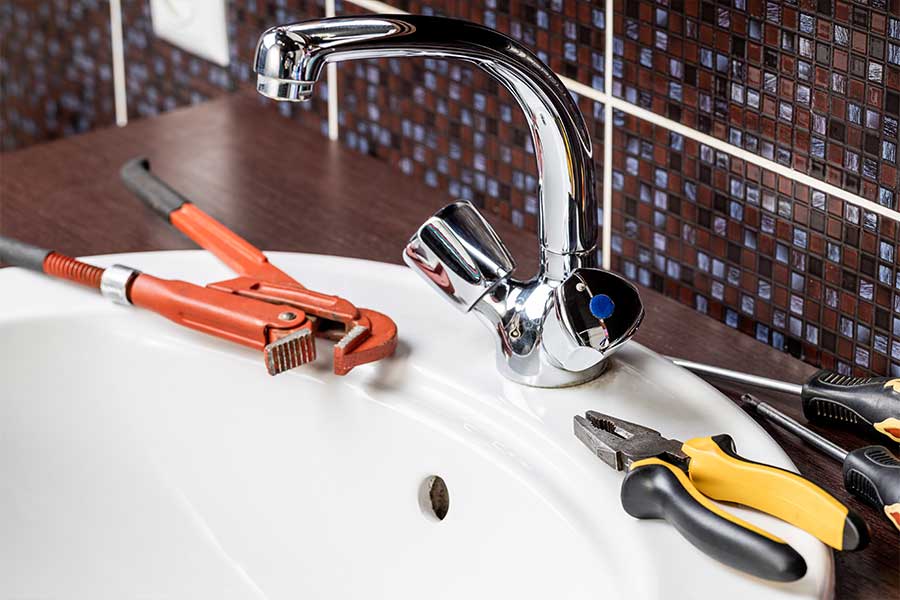
A faucet can be like a leaky faucet in your patience, constantly reminding you of its presence. When faced with common faucet issues in Sand Springs, OK, it is crucial to pinpoint the problem first. Is it a drip, low water pressure, or an annoying noise? Each issue has its own solution, and addressing them can restore peace in your home. Let’s explore the steps you can take to reclaim your tranquility.
Identifying Dripping Faucets and Their Causes
Have you ever wondered why your faucet is dripping? A dripping faucet can be more than just an annoyance; it often signals underlying issues that need your attention.
First, check the faucet itself. Loose parts or worn-out washers can lead to leaks. If you hear water running even when the faucet’s off, a faulty valve seat might be the culprit.
Next, inspect the O-ring, a small disc that helps seal the faucet. If it’s damaged or corroded, it can cause leaks.
Mineral buildup from hard water can sometimes also cause dripping. It’s important to identify these causes early to prevent further damage. Expert faucet repair solutions can help restore your faucet to proper working condition.
By taking the time to investigate, you can save money and keep your plumbing in good shape.
Don’t ignore that drip; addressing it promptly can save you a bigger headache down the line!
Resolving Low Water Pressure Issues
When you turn on the faucet and notice a frustratingly slow stream of water, low water pressure may be the issue.
First, check if other faucets in your home are experiencing the same problem. If they are, it could be a whole-house issue tied to your plumbing system.
Next, inspect the aerator on your faucet. Mineral buildup can restrict water flow, so remove it, clean it, and reinstall it.
If that doesn’t help, look for leaks in the pipes or check the main shut-off valve to verify it’s fully open.
Sometimes, pressure regulators can malfunction, affecting flow.
If you’ve tried these steps and the problem persists, it might be time to call a professional. A qualified plumber can diagnose and fix any underlying issues to restore your water pressure effectively, confirming your faucet works as it should. Emergency plumbing services can also provide immediate assistance for unexpected situations.
Fixing Faucet Noise: Causes and Solutions
If you’ve ever turned on your faucet only to be greeted by a series of unexpected noises, it can be quite irritating.
These sounds often stem from air trapped in the pipes, loose parts, or even high water pressure. First, check for any signs of loose fittings or components; tightening these can often resolve the issue.
If you suspect air in your pipes, try turning on all faucets in your home to allow the air to escape.
Another common culprit is high water pressure, which can create a hammering noise when you turn off the faucet. You can address this by installing a pressure-reducing valve to maintain the right balance.
Finally, mineral buildup in aerators can also contribute to noise. To keep water flowing smoothly, regularly clean or replace the aerator. Additionally, if you encounter persistent plumbing issues, consider contacting emergency plumbing services for professional assistance.
Addressing Leaking Faucet Connections
While a dripping faucet can seem like a minor annoyance, it often indicates a more significant connection issue. First, check the supply lines under your sink for any signs of leaks. If you notice moisture or water pooling, you may need to tighten the connections or replace washers.
Next, inspect the faucet itself. Loose fittings can cause water to escape, so make sure everything is snug. If that doesn’t solve the problem, look for corrosion or damage on the pipes, as this can lead to leaks.
Sometimes, simply replacing the fittings or using plumber’s tape on threaded connections can do the trick. Additionally, addressing frequent leaks can help ensure your plumbing system remains efficient and reliable.
Don’t forget to turn off the water supply before starting any repairs. Taking these steps will help you address leaking faucet connections effectively, ensuring your plumbing remains in good shape and preventing further damage to your home.
Replacing Faucet Cartridges and Washers
Addressing leaking faucet connections can lead to the realization that the issue may stem from worn-out cartridges or washers.
Replacing these components is a straightforward task that can save you money and prevent further water damage. Here’s how to do it:
- Turn Off the Water Supply: Before you start, shut off the water supply to avoid a messy situation.
- Remove the Faucet Handle: Use a screwdriver to take off the handle, exposing the cartridge or washer underneath.
- Replace the Cartridge or Washer: Pull out the old cartridge or washer and insert the new one, ensuring it fits snugly.
Once you’ve reassembled everything, turn the water supply back on and check for leaks.
If all goes well, you’ll have a fully functioning faucet again!

Conclusion
In the grand symphony of your home, a well-functioning faucet plays an essential note. By tackling those pesky drips, low pressure, and annoying noises, you can restore harmony to your space. With just a few simple tools and a bit of know-how, you can transform your faucet from a source of frustration into a reliable companion. So roll up your sleeves and plunge into it—your kitchen or bathroom will thank you with every invigorating drop!