




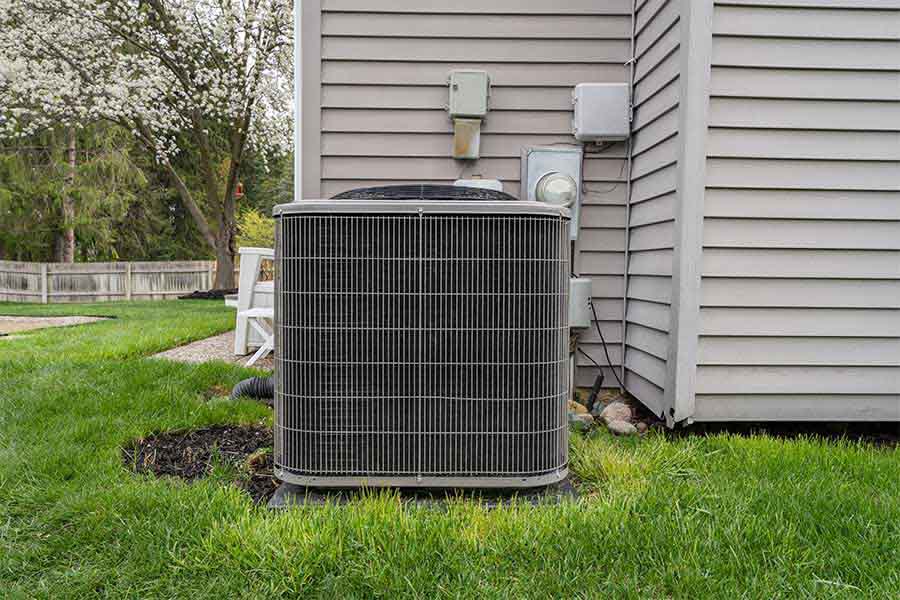
Your AC system plays an essential role in maintaining comfort at home. If you notice unusual noises, inconsistent temperatures, or rising energy bills, it could be signaling a need for immediate repair. Other signs, like foul odors or poor airflow, can also indicate serious issues. Recognizing these symptoms early can save you from costly repairs down the line. Explore the top signs you shouldn’t ignore before it’s too late.
Unusual Noises Coming From the Unit
Have you noticed unusual noises coming from your air conditioning unit? These sounds can signal potential issues that require immediate attention. For instance, a grinding noise might indicate a problem with the motor or bearings, while a hissing sound could point to a refrigerant leak. If you hear clanging or banging, it may suggest loose or damaged components inside the unit. Ignoring these noises can lead to more significant damage, increased repair costs, or even system failure. It’s essential to address these concerns promptly. You should consider contacting a qualified technician who can accurately diagnose the problem and perform necessary repairs, ensuring your AC operates efficiently and effectively while serving your home’s cooling needs.
Inconsistent Temperature Throughout Your Home
When you notice inconsistent temperatures throughout your home, your air conditioning system may struggle to function correctly. This issue often arises from various factors, including blocked vents, faulty thermostats, or refrigerant leaks. When airflow is obstructed, certain areas may receive inadequate cooling, leading to discomfort. Additionally, if the thermostat isn’t calibrated correctly, it can misread the temperature, causing uneven cooling. Ignoring these signs can lead to further damage, reducing your system’s efficiency and lifespan. It’s crucial to address this problem promptly to maintain a comfortable environment. Schedule a professional inspection to diagnose the issue and guarantee your AC system operates effectively, delivering consistent comfort throughout your home.
Increased Energy Bills
A sudden spike in your energy bills can be a telling sign that your air conditioning system needs repair. When your AC isn’t functioning efficiently, it consumes more energy to maintain your desired temperature. Here are four factors that could contribute to increased energy costs:
- Dirty Filters: Clogged filters restrict airflow, forcing your system to work harder.
- Refrigerant Leaks: Low refrigerant levels can hinder cooling efficiency, increasing energy usage.
- Faulty Thermostat: An inaccurate thermostat can cause your AC to run longer than necessary.
- Aging System: Older units often lose efficiency over time, increasing energy consumption.
Addressing these issues promptly can help restore efficiency and reduce your bills.
Foul Odors Emitting From the Vents
If you notice foul odors emanating from your AC vents, addressing the issue swiftly is essential, as it often indicates underlying problems. These odors can arise from various sources, such as mold growth in the ductwork or a malfunctioning component. A musty smell typically suggests moisture accumulation, leading to health risks if ignored. Conversely, a burning odor may signify electrical issues or overheating parts, requiring immediate attention. Ignoring these warning signs can compromise air quality and system efficiency. To guarantee a safe and comfortable environment, consider scheduling a professional inspection to diagnose and resolve the root cause of the odors. Prompt action can prevent further damage and maintain your AC system’s performance.
Poor Airflow
Foul odors aren’t the only signs your AC might need attention; poor airflow can also indicate underlying issues that require immediate action. When you notice that your AC isn’t delivering cool air as it should, consider the following potential causes:
- Dirty Air Filters: Clogged filters restrict airflow, making your system work harder.
- Blocked Vents: Furniture or debris obstructing vents can prevent air circulation.
- Duct Leaks: Leaks in ductwork can lead to significant loss of conditioned air.
- Faulty Blower Motor: Airflow will diminish if the blower motor isn’t functioning correctly.
Addressing these issues promptly can enhance your system’s efficiency and prolong its lifespan, ensuring a comfortable environment for those you serve.
Moisture or Leaks Around the Unit
Moisture or leaks around your AC unit can signal significant immediate problems. These leaks often indicate a refrigerant leak, which can affect your system’s efficiency and increase energy bills. Additionally, water pooling can suggest a clogged drain line or a malfunctioning condensate pump, potentially causing water damage to your home.
If you notice moisture, it’s essential to act quickly. Ignoring these signs can lead to mold growth, structural damage, or a complete system failure. Regular inspections and maintenance can help prevent these issues, but when you see leaks, consult a professional immediately. Addressing moisture problems promptly guarantees the longevity of your AC system and maintains a safe, comfortable environment in your home.
Frequent Cycling On and Off
Experiencing frequent cycling on and off with your AC unit can indicate underlying issues that require professional assessment. This behavior affects your comfort and can lead to increased energy bills and system wear. Here are four potential reasons for this cycling:
- Dirty Air Filters: Clogged filters restrict airflow, causing the system to overwork and shut off prematurely.
- Refrigerant Issues: Low refrigerant levels can impede cooling efficiency, prompting the unit to cycle frequently.
- Faulty Capacitor: A malfunctioning capacitor can disrupt the compressor’s operation, leading to erratic cycling.
- Oversized Unit: An AC unit that’s too large for your space will cool quickly but cycle frequently, resulting in inefficiency.
Address these concerns promptly to guarantee the peak performance and longevity of your AC system.
Thermostat Issues
How can a malfunctioning thermostat impact your AC’s performance? It can disrupt the entire cooling process, leading to inconsistent temperatures and discomfort. If your thermostat isn’t accurately detecting the ambient temperature, your AC may run longer than necessary or not activate when needed. This can cause energy waste and increased utility bills. Additionally, a faulty thermostat may result in short-cycling, where the system turns on and off too frequently, putting extra strain on components. You might also notice that some regions of your home aren’t cooling effectively. Regularly checking your thermostat settings and calibration guarantees peak operation. If you suspect issues, addressing them quickly can prevent further damage and maintain a comfortable environment for those you serve.
System Won’t Turn On
It can be frustrating and uncomfortable if your AC system won’t turn on, especially during hot weather. You need to address this issue promptly to guarantee your comfort and safety. Here are four common reasons your system might not be operational:
- Tripped Circuit Breaker: Check your electrical panel to see if the breaker has tripped.
- Thermostat Settings: Verify your thermostat is set to “cool” and the temperature is adjusted correctly.
- Power Supply Issues: Inspect for blown fuses or problems with the power source.
- Faulty Components: Consider that the compressor or capacitor may have failed.
Identifying the cause quickly can help determine whether you need professional repair assistance.
Age of the Unit
The age of your AC unit significantly impacts its performance and reliability. Generally, if your system is over 10-15 years old, you should monitor it closely for signs of wear. Older units often require more frequent repairs, consume more energy, and may struggle to maintain desired temperatures efficiently. Age could be the culprit if you notice inconsistent cooling or increased energy bills. Additionally, outdated systems may lack modern models’ advanced features and energy efficiency, which can contribute to higher operational costs. Regular maintenance becomes essential as your unit ages; however, consider investing in a newer, more efficient system if repairs become costly or frequent. Prioritizing reliability can enhance your comfort and peace of mind.

Conclusion
In conclusion, recognizing the signs that your AC system needs immediate repair can save you time and money. Don’t ignore these issues if you notice unusual noises, inconsistent temperatures, or increased energy bills. Foul odors, poor airflow, and frequent cycling indicate that professional help is needed. Remember, addressing these problems early can extend the life of your system and guarantee your comfort. Don’t hesitate to consult a technician if you observe these warning signs.
Frequently Asked Questions
How Often Should I Schedule Maintenance for My AC System?
You should schedule maintenance for your AC system at least once a year. Regular check-ups keep it running efficiently, extend its lifespan, and help prevent unexpected breakdowns, ensuring comfort and peace of mind.
Can I Attempt to Repair My AC Unit Myself?
You can attempt minor repairs on your AC unit, but it’s essential to understand your limits. Complex issues often require professional expertise to guarantee safety and proper functionality, so don’t hesitate to call an expert when needed.
What Are the Common Causes of AC System Failure?
Common causes of AC system failure include refrigerant leaks, electrical issues, clogged filters, and worn-out components. Regular maintenance can prevent these problems, ensuring your system runs efficiently and effectively, providing comfort for those you serve.
How Long Do AC Systems Typically Last?
AC systems typically last 12 to 15 years with proper maintenance. Regular check-ups and timely repairs can extend their lifespan, ensuring efficient performance and comfort for you and those you serve in your space.
Should I Replace or Repair My AC Unit?
You should evaluate your AC unit’s age, efficiency, and repair costs. If it’s over 10 years old and needs frequent repairs, replacing it often makes more sense than continuing to invest in repairs.