


When your heat pump stops performing in Bixby, the problem isn’t always serious — and it isn’t always expensive. Many of the most common heat pump issues come down to a few basic components that homeowners can check themselves in under 30 minutes. This guide walks you through exactly where to start and when to call in a professional.
Key Points
- Most heat pump problems start with something simple — a dirty filter, a thermostat setting, or blocked airflow
- Ice on the outdoor unit, short cycling, and unusual noises are warning signs that need prompt attention
- Oklahoma’s climate puts above-average strain on heat pumps — seasonal checks matter more here
- Ductwork leaks are one of the most overlooked causes of uneven heating and cooling
- If basic troubleshooting doesn’t resolve the issue, stop and call a licensed technician
Common Heat Pump Problems Worth Knowing Before You Start
Understanding the most frequent failure points helps you troubleshoot faster and more accurately. Most heat pump issues in Bixby homes fall into a predictable set of categories:
- Inadequate heating or cooling — usually caused by dirty filters, blocked vents, or low refrigerant
- Short cycling — the system turns on and off too frequently, often pointing to thermostat problems or refrigerant issues
- Ice on the outdoor unit — signals restricted airflow or a refrigerant leak that needs immediate attention
- Strange noises — grinding, squealing, or rattling all indicate mechanical issues requiring a technician
- Unusual odors — musty smells suggest mold growth; burning smells indicate an electrical problem
According to the U.S. Department of Energy, heat pumps that aren’t properly maintained can lose significant efficiency over time — and many of these issues are entirely preventable with routine checks.
Start With the Thermostat
The thermostat is the first place to look when your heat pump isn’t behaving as expected. Confirm it’s set to the correct mode — heating or cooling — and that the temperature is set above or below the current room temperature as intended. It sounds basic, but incorrect mode settings are one of the most common causes of “heat pump not working” calls.
If you have a programmable thermostat, check that the schedule is set correctly for the current time of year. Replace the batteries if the display seems dim or unresponsive. Also make sure the thermostat isn’t installed near a drafty window, exterior door, or direct sunlight — any of these can throw off its temperature readings and cause the system to cycle incorrectly.
Inspect the Outdoor Unit for Obstructions and Damage
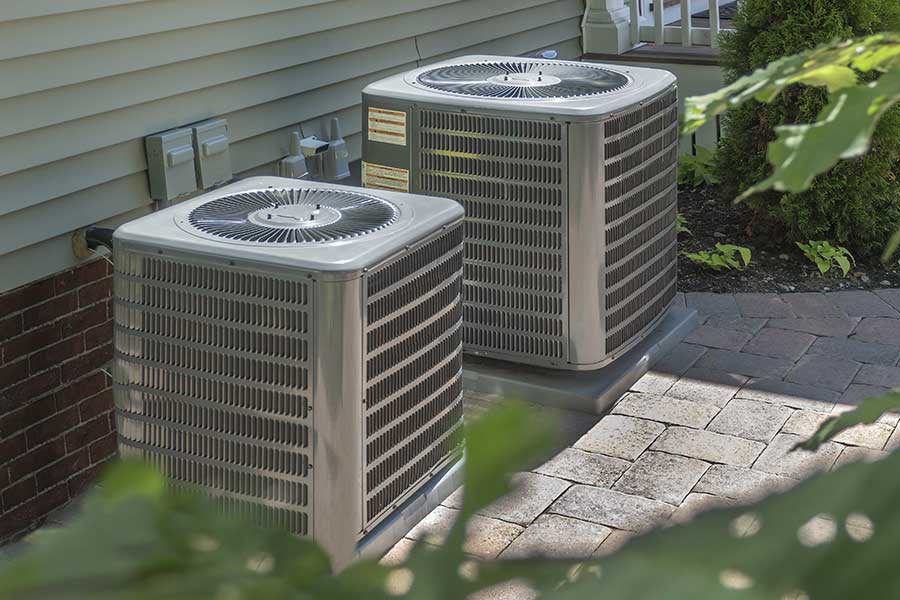
The outdoor condenser unit needs clear airflow on all sides to operate efficiently. Walk around the unit and remove any leaves, grass clippings, or debris that have accumulated. Bixby’s spring storms and fall leaf drop make this a regular maintenance need — plan to check the unit at least twice a year and after any significant weather event.
Look for visible damage like dents, bent fins, or rust. Check that the unit is sitting level on its pad — an unlevel unit can cause drainage problems and put uneven stress on internal components. If you notice ice buildup on the unit outside of normal winter defrost cycles, turn the system off and let it thaw before restarting. If ice returns, that’s a sign of an underlying airflow or refrigerant issue that needs heat pump repair from a licensed technician.
Check and Replace the Air Filter
A clogged air filter is the single most common cause of heat pump inefficiency — and the easiest fix. When the filter is blocked, the system can’t move air freely, which forces it to run longer cycles, increases energy use, and can eventually cause the evaporator coil to freeze. ENERGY STAR recommends checking filters monthly during peak heating and cooling seasons.
Pull the filter out and hold it up to a light source. If you can’t see light through it, replace it. When selecting a replacement, pay attention to the MERV rating — higher ratings capture more particles but can restrict airflow in systems not designed for them. A MERV 8–11 filter is appropriate for most residential heat pumps. If you’re unsure what your system calls for, check the owner’s manual or ask your technician at the next HVAC maintenance visit.
Evaluate the Ductwork and Vents
Uneven temperatures throughout your home — one room too warm, another too cold — are often a ductwork problem rather than a heat pump problem. Start by confirming all supply and return vents are open and unobstructed. Furniture, rugs, and curtains commonly block vents without homeowners realizing it.
Next, inspect accessible duct sections in your attic, crawlspace, or basement for visible gaps, disconnected sections, or damaged insulation. Even small leaks in ductwork can cause significant energy loss and comfort inconsistencies. If you notice excessive dust buildup at vent openings or hear rattling and whistling when the system runs, it’s worth scheduling a professional duct inspection. The Air Solutions team can assess your ductwork and recommend cleaning or sealing if needed.
When DIY Troubleshooting Isn’t Enough
Running through these checks resolves the problem in many cases. But if your heat pump is still short cycling, failing to reach temperature, making persistent noises, or tripping the circuit breaker after a reset, it’s time to stop troubleshooting and call a professional. Continuing to run a system with an unresolved mechanical or electrical fault almost always makes the repair more expensive.
Air Solutions Heating, Cooling, Plumbing & Electrical serves Bixby and the surrounding area with fast response times and upfront pricing. Contact our team to schedule a diagnostic visit and get your heat pump back to full performance.
Frequently Asked Questions
Why is my heat pump blowing cold air in heating mode?
The most common causes are a thermostat set to the wrong mode, low refrigerant, or a failed reversing valve. Check the thermostat first — if that’s not the issue, call a technician.
How often should I replace my heat pump’s air filter?
Check it monthly during peak season and replace it when it looks visibly dirty. Most filters last 30–60 days, but homes with pets or allergies may need more frequent changes.
What does short cycling mean and why does it matter?
Short cycling is when the heat pump turns on and off too frequently without completing a full cycle. It puts excessive wear on the compressor and usually points to a refrigerant, thermostat, or sizing issue.
Is it normal for my heat pump’s outdoor unit to have frost on it?
Light frost during cold weather is normal — the system runs defrost cycles to clear it. Thick ice buildup, especially in milder temperatures, is not normal and needs professional attention.
How do I know if my heat pump needs refrigerant?
Signs include the system running constantly without reaching temperature, ice on the indoor or outdoor coil, and warm air blowing in cooling mode. Refrigerant work requires a licensed technician — it’s not a DIY repair.