

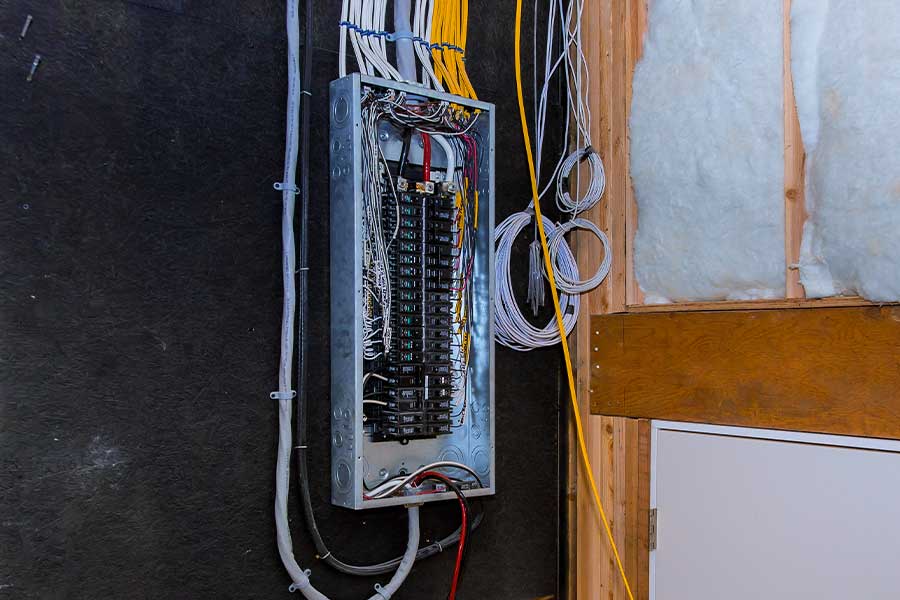
Electrical problems in a home rarely announce themselves clearly. A circuit that trips without explanation, an outlet that stops working, lights that flicker under certain load conditions, or a switch that sparks when operated — these are the kinds of symptoms homeowners notice but often put off addressing. The wiring behind the wall is invisible, the cause is not obvious, and the instinct to wait and see whether the problem resolves on its own is understandable.
What makes that instinct worth resisting is the nature of what can go wrong when electrical problems are left unaddressed. Unlike a dripping faucet that wastes water at a known rate, unresolved electrical faults deteriorate progressively and silently — reaching conditions that cause fires or electrocution hazards without visible warning.
Sapulpa’s residential housing stock reflects a wide range of electrical ages and configurations. Older neighborhoods near downtown and along historic Route 66 include homes with wiring predating modern electrical standards by decades. For homeowners navigating electrical concerns of any kind, electricians in Sapulpa, OK, with residential repair experience are the appropriate resource for diagnosis, repair, and honest guidance.
Diagnosing Problems That Are Not Visible at the Surface
The most fundamental value a licensed electrician brings to a residential repair situation is diagnostic capability — identifying what is actually causing a symptom rather than replacing the most obvious component and hoping the problem resolves.
Electrical symptoms are frequently misleading about their causes. An outlet that has stopped working may have tripped a GFCI device upstream — a simple reset. Or it may indicate a failed outlet, a loose junction box connection, a wiring fault on the circuit, or a more serious wiring degradation issue extending beyond the single non-functioning outlet. The symptom is the same; the causes and their implications are very different.
Working in homes across Sapulpa, our electricians regularly encounter situations where a homeowner has been managing a persistent electrical problem for months — replacing outlets, resetting breakers, or avoiding the affected circuit — without identifying the underlying cause. A professional diagnostic visit consistently reveals the actual cause is something different from what the homeowner assumed, and the correct repair is straightforward once it is properly identified.
Addressing Wiring Issues in Older Sapulpa Homes
Sapulpa’s older neighborhoods contain homes wired with materials reflecting the electrical standards of their construction era — standards substantially updated in the decades since.
Aluminum branch circuit wiring, used in homes built during the late 1960s and 1970s when copper prices were high, expands and contracts at a different rate than the copper terminals of outlets, switches, and fixtures — causing connections to loosen over time. Loose aluminum connections are a well-documented fire risk requiring either replacement with copper or approved remediation devices at every connection point.
Knob-and-tube wiring, standard in homes built before the 1940s, is present in some of Sapulpa’s oldest properties. It lacks the ground conductor modern wiring includes, is incompatible with modern three-prong outlets, and is often found in deteriorated condition in homes where it has been in service for 80 or more years.
Cloth-insulated wiring from the mid-twentieth century dries out and becomes brittle over decades, cracking and falling away from conductors at connection points and bends — leaving exposed conductors in wall cavities that represent a serious fire and shock hazard.
Resolving Outlet, Switch, and Circuit Failures
Outlets and switches are the most frequently encountered failure points in residential electrical systems — the components that receive the most physical use and are most directly affected by moisture, damage, and age-related contact degradation.
A failed outlet is not always a simple replacement. The failure may be caused by a loose connection at the back of the device, a failed GFCI outlet upstream, or a wiring issue at a junction box elsewhere in the circuit run. Replacing the outlet without identifying the actual cause results in the new device failing for the same reason.
Switches that spark visibly, feel warm to the touch, or operate intermittently all warrant professional attention. These symptoms indicate conditions — loose connections, failing switch mechanisms, or loads exceeding the switch’s rating — that cannot be reliably assessed from the surface.
Breaker trips also require professional diagnosis to distinguish between genuine circuit overloading, degraded breakers with drifted trip thresholds, and actual fault conditions on the circuit. Each cause has a different resolution, and electrical repair that addresses the symptom without identifying the cause leaves the underlying problem intact.
Responding to Electrical Emergencies
The smell of burning plastic or an electrical burning odor from an outlet, switch, or panel is an emergency. It indicates components overheating at a level affecting surrounding materials. Turn off the circuit at the breaker if the location can be identified, avoid using the affected area, and contact a licensed electrician immediately.
Visible arcing — sparks or flashes at an outlet, switch, junction box, or panel — is an emergency regardless of whether the sparking appears minor. A panel making crackling or buzzing sounds, particularly with visible sparking or discoloration, requires contacting a licensed electrician and the utility company rather than any independent investigation.
For non-emergency concerns — outlets that have stopped working, switches that are malfunctioning, circuits that trip occasionally — professional repair can be scheduled on a normal timeline. But homeowners should err strongly on the side of urgency when there is any doubt about whether a symptom is an emergency.
Keeping Electrical Systems Current With Code Requirements
GFCI protection requirements have expanded significantly over successive code editions, and many Sapulpa homes built before the most recent requirements lack GFCI protection in locations where current code requires it — kitchens, bathrooms, garages, outdoor locations, and unfinished basement areas.
AFCI breakers, required in an increasing number of locations in new construction and renovation work, detect the electrical signature of arcing faults and interrupt the circuit before heat sufficient for ignition is generated — a layer of fire protection standard breakers cannot offer.
For homeowners planning renovations — kitchen and bathroom remodels, basement finishing, garage conversions — engaging a licensed electrician at the planning stage ensures electrical work meets current code requirements and that any conditions exposed by the renovation are properly addressed rather than enclosed within the new construction.
The Role of Electrical Maintenance and Licensed Work
Not all electrical service is reactive. Periodic professional inspection identifies developing conditions before they become failures — inspecting the panel interior for heat damage and loose connections, testing outlets and GFCI devices throughout the home, and evaluating circuit loading relative to breaker ratings.
Pairing a residential electrical inspection with evaluation of indoor lighting installation needs provides a comprehensive picture of the home’s electrical infrastructure from the panel through to end-use fixtures and devices.
Every electrical repair in a Sapulpa home should be performed by a licensed electrician. An improperly made connection may function adequately for months or years before the resistance at the connection point generates enough heat to ignite surrounding materials. Licensed electricians in Oklahoma are trained, tested, and required to maintain current code knowledge as a condition of licensure. For electrical rewiring projects — whether targeting a specific circuit or more comprehensive rewiring — licensed involvement from assessment through inspection distinguishes work that genuinely improves electrical safety from work that only creates the appearance of it.

Reliable Electrical Service for Sapulpa Homeowners
When the electrical system in a Sapulpa home is properly installed, correctly maintained, and promptly repaired when problems develop, it operates reliably in the background exactly as it should. When problems are deferred or improperly addressed, they accumulate into conditions that affect both safety and the home’s fundamental functionality.If your Sapulpa home has unresolved electrical symptoms, has not received a professional inspection in several years, or has wiring reflecting an earlier era of residential construction, contact our team today and schedule an electrical assessment with one of our experienced Sapulpa electricians.