
Wiring problems can create significant hazards in your home, and understanding their implications is vital. Common issues like frayed wires or overloaded circuits may seem minor but can lead to severe consequences. It’s essential to recognize the signs that indicate you need electrical repair. Ignoring these problems can compromise your safety and increase future repair costs. So, what should you look for to guarantee your electrical system remains safe and efficient?
Common Wiring Problems Homeowners Face
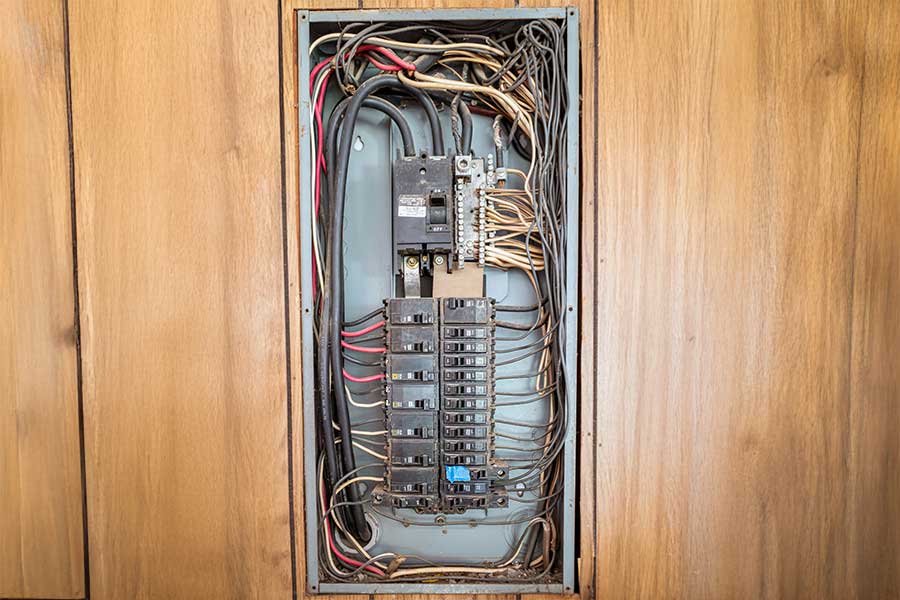
When dealing with electrical systems, understanding homeowners’ common wiring problems can save you time and money. One frequent issue is frayed wires, which can lead to shorts or even fires if not addressed. Loose connections often cause intermittent power loss, affecting appliances and lighting. Overloaded circuits may result in tripped breakers, signaling the need for a more balanced load distribution. Additionally, outdated wiring, particularly aluminum, poses serious safety risks due to its higher susceptibility to corrosion. Finally, improper grounding can lead to voltage fluctuations and an increased risk of electrical shock. By recognizing these problems early, you can guarantee a safer environment and prevent costly repairs.
Signs You Need Electrical Repair
How can you tell if it’s time for an electrical repair? Look for specific signs indicating issues with your wiring. Frequent circuit breaker trips, flickering lights, or outlets that feel warm to the touch are red flags. If you’re experiencing a burning smell near outlets or switches, don’t ignore it; this can indicate overheating wires. Additionally, if you notice discolored outlets or switches, this suggests potential damage. Buzzing or crackling sounds from your electrical system shouldn’t be taken lightly either. Finally, if your home has outdated wiring that can’t meet current demands, it’s vital to address this promptly. Recognizing these signs guarantees you effectively serve your home and loved ones, maintaining a safe, functional electrical system.
The Risks of Ignoring Wiring Issues
Ignoring wiring issues can lead to severe consequences, as even minor problems can escalate into significant hazards. Faulty wiring can result in electrical fires, posing risks not only to your property but also to the safety of those who occupy the space. Overheating wires may cause insulation to deteriorate, increasing the likelihood of short circuits and power outages. Unaddressed wiring problems can also damage equipment, resulting in costly repairs and replacements. You may also be liable if wiring issues affect others, such as tenants or visitors. Prioritizing electrical repair guarantees a safe environment, protects your investments, and ultimately contributes to the well-being of your community. Don’t underestimate the importance of timely intervention in wiring matters.
How Wiring Problems Can Affect Your Home
Wiring problems can significantly impact your home’s functionality and safety. Faulty wiring can lead to frequent power outages, affecting your daily activities and potentially damaging your appliances. It can also create hazardous conditions, such as electrical fires, due to overheating or short circuits. Additionally, outdated or improperly installed wiring may not support modern electrical demands, resulting in flickering lights or tripped breakers. These issues disrupt your comfort and can compromise your family’s safety. Furthermore, malfunctioning wiring can interfere with critical systems, including heating and cooling, leaving you vulnerable during extreme weather. Addressing wiring issues promptly guarantees your home remains a safe and functional environment, protecting your investment and loved ones.
The Importance of Timely Electrical Repairs
When you neglect timely electrical repairs, the consequences can escalate quickly, leading to more significant problems. Unattended issues, such as faulty wiring or malfunctioning outlets, can increase the risk of electrical fires or system failures. These hazards endanger your property and compromise your and others’ safety. By promptly addressing electrical issues, you guarantee the system operates efficiently, reducing the likelihood of more extensive and costly repairs later. Furthermore, timely maintenance can enhance the lifespan of your electrical components, ultimately serving the needs of your household better. Prioritizing these repairs demonstrates a commitment to safety and responsibility, fostering a secure environment for everyone involved. Don’t wait; act decisively for a safer home.
Understanding the Cost of Delayed Repairs
Delaying necessary electrical repairs can lead to escalating costs far beyond the initial issue. When you postpone addressing wiring problems, you’re not just risking safety; you’re also inviting further damage. Faulty wiring can result in circuit overloads, leading to potential fires or system failures. These hazards can necessitate extensive repairs, far exceeding the cost of timely interventions. Additionally, prolonged issues may affect other components, such as appliances or lighting fixtures, requiring replacements that could’ve been avoided. Increased energy consumption due to inefficiencies can also inflate your utility bills. Ultimately, the longer you wait, the more complex and costly the solution becomes, underscoring the importance of swift electrical repair for safety and financial prudence.
DIY vs. Professional Electrical Repair
Addressing electrical issues promptly often leads to a decision: tackle the repairs yourself or hire a professional. If you’re considering a DIY approach, ensure you possess the necessary skills, tools, and knowledge of electrical codes. Mistakes can lead to serious hazards, including fires or electrocution. On the other hand, hiring a qualified electrician guarantees compliance with safety regulations and standard practices. Professionals bring expertise that minimizes risks and often resolves issues more efficiently. Weighing the potential costs against the value of safety and reliability is vital. Investing in a professional can save you from future complications, ensuring your electrical system operates safely and effectively. Ultimately, your choice should prioritize safety and long-term solutions.
Preventative Measures for Electrical Safety
Implementing preventative measures is essential to guarantee electrical safety in your home. Start by regularly inspecting your electrical systems and devices for signs of wear or damage. Replace frayed cords and malfunctioning outlets immediately. Ascertain that circuit breakers function correctly and consider upgrading to arc-fault circuit interrupters (AFCIs) for added protection. Don’t overload outlets; distribute your electrical load evenly to prevent overheating. Use surge protectors for sensitive electronics, and verify that all wiring complies with local codes. Additionally, educate family members about electrical safety, including avoiding water near electrical devices. Taking these proactive steps can significantly reduce the risk of electrical hazards and create a safer environment for everyone in your home.
When to Call an Electrician
Even with preventative measures, situations that warrant professional intervention may arise. If you notice flickering lights, frequently tripped breakers, or burning smells, it’s vital to call an electrician immediately. These symptoms often indicate underlying electrical issues that could escalate into dangerous situations. Additionally, if you’re planning any major renovations that involve wiring alterations, enlisting a professional is essential to guarantee code compliance and safety. Don’t attempt to troubleshoot complex problems like outdated wiring or circuit overloads on your own; these tasks require specialized knowledge. Remember, the safety and functionality of your electrical system are paramount. When in doubt, it’s always better to consult an electrician rather than risk exacerbating the issue.
The Benefits of Regular Electrical Maintenance
While you may not think about it regularly, performing routine electrical maintenance is essential for guaranteeing the safety and longevity of your electrical system. Regular checks can prevent minor issues from escalating into major problems, saving time and money. Here are some key benefits you’ll gain from consistent maintenance:
- Enhanced Safety: Reduces the risk of electrical fires and shock hazards.
- Increased Efficiency: Optimizes energy consumption, lowering utility bills.
- Extended Lifespan: Prolongs the life of your electrical components and appliances.
- Peace of Mind: Guarantees your home remains a safe environment for you and others.
Engaging in regular electrical maintenance not only protects your investment but also fosters a secure atmosphere for everyone involved.
Conclusion
In summary, addressing wiring problems swiftly is essential for your safety and your home’s efficiency. Ignoring signs of electrical issues can lead to severe risks, including fire hazards and costly damages. By opting for timely repairs and routine maintenance, you not only protect your family but also enhance the longevity of your electrical system. Whether you choose DIY solutions or professional assistance, don’t underestimate the importance of acting quickly regarding electrical safety.
Frequently Asked Questions
How Can I Find a Reliable Electrician in My Area?
To find a reliable electrician, start by checking online reviews and ratings. Ask for recommendations from friends or family, and verify they’re licensed and insured. Interview potential candidates to gauge their experience and expertise.
What Are the Most Common Causes of Electrical Fires?
Overloaded circuits, faulty wiring, outdated appliances, and improper use of extension cords are the most common causes of electrical fires. Regular inspections and maintenance can help prevent these hazards and guarantee safety for everyone.
Is It Safe to Use Extension Cords Long-Term?
Using extension cords long-term isn’t safe. They can overheat or become damaged, leading to fire hazards. It’s best to use them temporarily and invest in permanent wiring solutions for reliable, safe power distribution in your space.
How Often Should I Have My Electrical System Inspected?
Your electrical system should be inspected at least once every three to five years. Regular inspections help identify potential issues, ensuring safety and functionality while effectively serving the needs of your home and family.
What Should I Do Immediately After a Power Surge?
Immediately after a power surge, you should unplug sensitive devices, check circuit breakers for tripped switches, and inspect for any visible damage. Document any issues and consult a qualified electrician for further assessment and repairs.